Rebuilding Your Weekday Routine After a Break
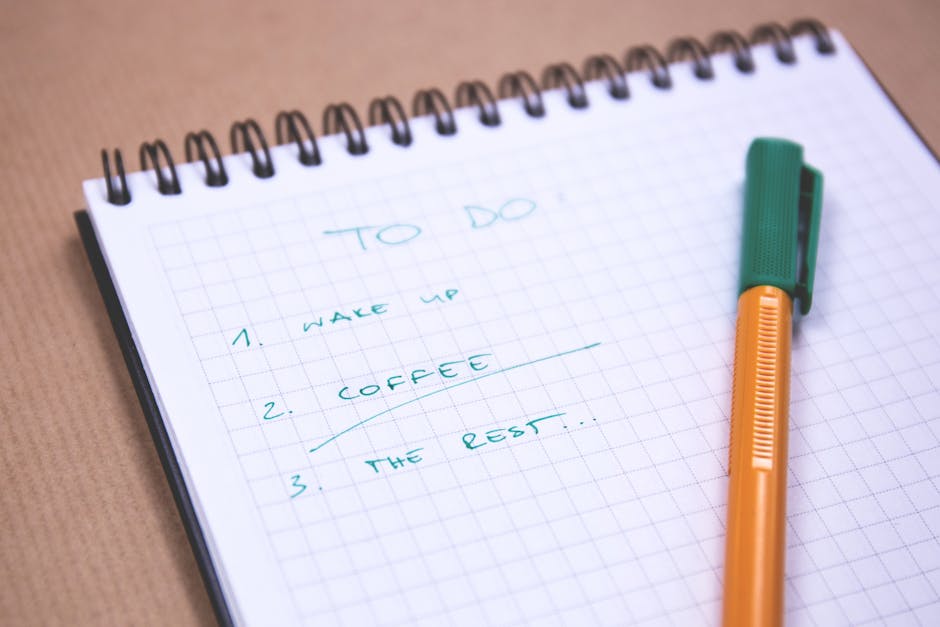
It’s 7:30 AM, and the alarm clock blares from the dresser across the room, a reminder that the day has already started late. You swing your legs over the side of the bed, but the thought of a messy kitchen looms over you. Last night’s dirty dishes still cling to the sink, making it impossible to prepare a quick breakfast. As you shuffle towards the entryway chair, where your bag and lunch container sit half-packed, you realize that this morning's routine is already unraveling. The small habit of checking the counter before leaving the house is slipping away, and you can feel the weight of another disrupted day settling in.
In the rush to leave, you grab your lunch container, but it’s still damp from the sink, a reminder of the breakdown in your evening routine. With the clock ticking, you skip the usual check of your morning routine checklist, which includes making sure the counter is clear for breakfast prep. Without this step, you’re left scrambling for a quick snack instead of a balanced meal. The friction of a cluttered kitchen has a ripple effect, making it harder to regain control of your day. These small disruptions can snowball, leading to a chaotic start that sets the tone for the hours ahead.
The Morning Routine That Should Have Worked
The alarm blares from the other side of the room, a deliberate design to pull you from the comfort of your bed. This distance forces you to rise and switch it off, a small but crucial step to prevent the temptation of the snooze button. Once you’re up, the first task is to prepare breakfast—ideally a quick smoothie or oatmeal, something that can be made in under ten minutes. However, this morning, the kitchen counter is cluttered with dirty dishes from last night, making it impossible to find space for your blender.
As you shift through the mess, you spot the lunch container still sitting in the sink, a reminder of yesterday's chaos. Instead of packing a healthy lunch, you end up hastily grabbing a granola bar, which feels like a missed opportunity for a nutritious meal. The sequence of your morning routine is already derailing, but you push through, reminding yourself to check the counter before heading out. This check is essential; it’s the moment you confirm that everything needed is ready to go, from your packed lunch to your keys.
With the clock ticking, you realize that the friction created by a disorganized kitchen has disrupted your morning flow. The intended order of actions—wake up, prepare breakfast, pack lunch, and leave—has been compromised. Instead of a smooth exit, you find yourself scrambling, which sets an anxious tone for the day ahead. The small adjustments you could have made, like cleaning up the kitchen the night before, now loom large as you rush out the door, leaving the chaos behind.
Where the Routine Breaks First
Waking up late is often the first crack in the façade of a well-planned morning routine. The alarm clock, which you meant to place across the room as a deterrent, sits silent, leaving you scrambling as you leap out of bed. With only minutes to spare, breakfast becomes a luxury rather than a necessity. Instead of a nourishing meal, you hastily grab a granola bar, which only adds to the feeling of disarray.
As you rush through the kitchen, you’re confronted by the dirty dishes piled high in the sink, a visible reminder of last night’s neglect. The clutter on the counter creates a barrier, making it impossible to prepare even a simple breakfast. The lunch container, meant to be packed with care, is still soaking in soapy water. This snag in your routine not only delays your exit but also forces you to skip essential tasks, like checking that your keys and wallet are ready to go.
Before heading out, a quick check at the entryway chair becomes crucial. You glance around, hoping to spot your essentials, but the chaos makes it hard to focus. The intended order of your morning routine—wake up, prepare breakfast, pack lunch—has already derailed. Instead of a calm departure, you find yourself rushing out the door, leaving behind a messy kitchen and a sense of anxiety that lingers throughout the day.
If this pattern keeps repeating, Daily Routines Real Life extends the idea without leaving the niche.
Why This Failure Is So Common
As you glance at the clock, it’s clear that time has slipped away faster than anticipated. The morning tasks, which seemed manageable last night, now feel like an insurmountable list. This tendency to underestimate how long simple actions take—like making breakfast or packing lunch—often leads to a cascading effect of stress. When you add in the dirty dishes in the sink, it becomes even more daunting. The clutter not only takes up physical space but also clutters your mental space, making it hard to focus on what needs to be done.
- Leaving dishes in the sink creates a barrier that disrupts your flow.
- Each minute lost to cleaning adds to the anxiety of being late.
- Skipping a quick check for essentials at the entryway chair can lead to forgetting keys or your wallet.
Before heading out, it’s crucial to take a moment at the entryway chair. Check that your keys and wallet are in place, but also take a quick look back at the kitchen. If the lunch container is still soaking, it’s a reminder that your routine has become tangled in a web of small but impactful choices. This hidden cause of routine breakdown is often overlooked, yet it’s a critical piece of the puzzle. The tradeoff here is clear: a few extra minutes spent on dishes can lead to a calmer morning, but that time is often sacrificed in the rush to leave.
A Small Correction That Makes a Big Difference
Waking up late can spiral into a chaotic morning, especially when the kitchen is cluttered with dirty dishes. If the lunch container is still soaking in the sink, it’s a visual reminder of how quickly routine can unravel. This small detail transforms the kitchen counter into an uninviting space, making breakfast prep feel overwhelming. Instead of grabbing a quick bite, the thought of cleaning up can lead to procrastination and ultimately, a rushed exit.
To combat this, set your alarm across the room the night before. This forces you to physically get out of bed, breaking the cycle of hitting snooze. Once you’re up, make a habit of quickly washing any dishes left in the sink. A mere five minutes spent cleaning can clear the counter and simplify your breakfast routine. Before you leave the house, take a moment at the entryway chair to check that your keys and wallet are in place. A quick glance back at the kitchen can also remind you of any lingering tasks, ensuring you don’t leave the house feeling frazzled. This sequence adjustment not only streamlines your departure but also sets a positive tone for the day ahead. One Check Before You Leave the Room As you prepare to leave for the day, the entryway chair can become a focal point for ensuring you have everything you need. Before stepping out, take a moment to check for your keys, bag, and any lunch containers. Having these essentials in one spot reduces the chances of a last-minute scramble. If you notice the lunch container still sitting in the sink, it’s a clear signal that your routine needs a quick adjustment.
In addition to gathering your items, make it a habit to do a quick visual scan of the kitchen. Look for any leftover dishes that could disrupt your morning flow. If the counter is cluttered, it can create a mental block, making breakfast prep feel daunting. A simple five-minute cleanup can transform the space, allowing you to start the day with a clear mind. This small action not only preps you for a smoother exit but also reinforces the importance of maintaining your daily systems, preventing further drift in your routine.
What Changes Once That Fix Repeats
A slightly different version of this problem appears in Everyday Life In The, where the sequence changes but the hidden drag feels familiar.
Returning home after a chaotic day often leads to a familiar scene: the entryway chair piled high with bags, shoes, and the remnants of a disrupted morning. The key to regaining control lies in the evening routine. By making a deliberate effort to reset the space, you create a smoother transition into the next day. For instance, taking just ten minutes to clear the kitchen counter of dirty dishes allows for a clean slate come morning.
As you prepare for the next day, ensure that your lunch container is not left in the sink again. Instead, place it directly into your bag as you unload groceries or pack your evening meal. This small shift not only saves time but also prevents the frustration of a last-minute scramble in the morning. The next time you wake up, the absence of clutter on the counter will make breakfast prep feel less daunting, allowing you to focus on making a healthy meal rather than battling against a chaotic environment.
Set your alarm across the room to encourage you to rise promptly, and as you step out, do a quick visual check of your entryway. Make sure your bags are packed and ready to go, and that your shoes are by the door. This simple act of preparation reinforces the habit of consistency, making it easier to stick to your morning routine. Each evening reset builds momentum, transforming your chaotic start into a more manageable flow.
As you navigate the chaos of a disrupted routine, remember that small adjustments can create significant shifts. If the breakfast triage has become a daily stressor, consider placing your lunch container directly into your bag right after you unload groceries. This simple act not only clears the sink but also sets a positive tone for the morning. When you wake up, the absence of clutter on the counter will make breakfast prep feel less daunting, allowing you to focus on making a healthy meal rather than battling against a chaotic environment.
Before you leave the house, take a moment to do a quick visual check of your entryway chair. Ensure that your bags are packed, your shoes are by the door, and everything is in its place. This small routine reinforces the habit of consistency, making it easier to stick to your morning routine. By addressing these friction points, you can transform your weekday experience into a smoother, more manageable flow.


