Rethinking Morning Routines When Schedules Break

The kitchen counter is cluttered with yesterday's dishes, making it hard to find space for breakfast. As a remote worker, the morning routine should ideally set the tone for the day, but today feels different. The planner lies closed on the table, a silent reminder of the tasks ahead, while I scramble to prepare a quick meal. The clock ticks forward, and I realize the usual sequence of laying out my clothes and prepping breakfast has been disrupted, leaving me feeling rushed and unprepared.
In this chaotic moment, the small habit of checking the counter before starting breakfast becomes crucial. I need to clear a spot to chop vegetables, but the dirty dishes block access. This friction not only delays my meal prep but also impacts my ability to focus on the tasks that follow. Without a clear view of my planner or a clean workspace, I miss the chance to reset my mindset. A simple adjustment, like placing my outfit in view the night before, could help streamline the morning routine, ensuring that when the schedule breaks, I still have a solid foundation to build on for the day ahead.
The First Step That Gets Skipped
Standing in the kitchen, I glance at the closed planner on the table, its pages untouched since yesterday. The clock reads 7:15 AM, and I can feel the pressure mounting as I prepare for the day after a late finish. My usual morning routine is already off-kilter, and I’m scrambling to make breakfast while mentally juggling the tasks I need to tackle. The first step of laying out my clothes, a small habit that normally sets the tone for my day, has been forgotten in the chaos of the morning.
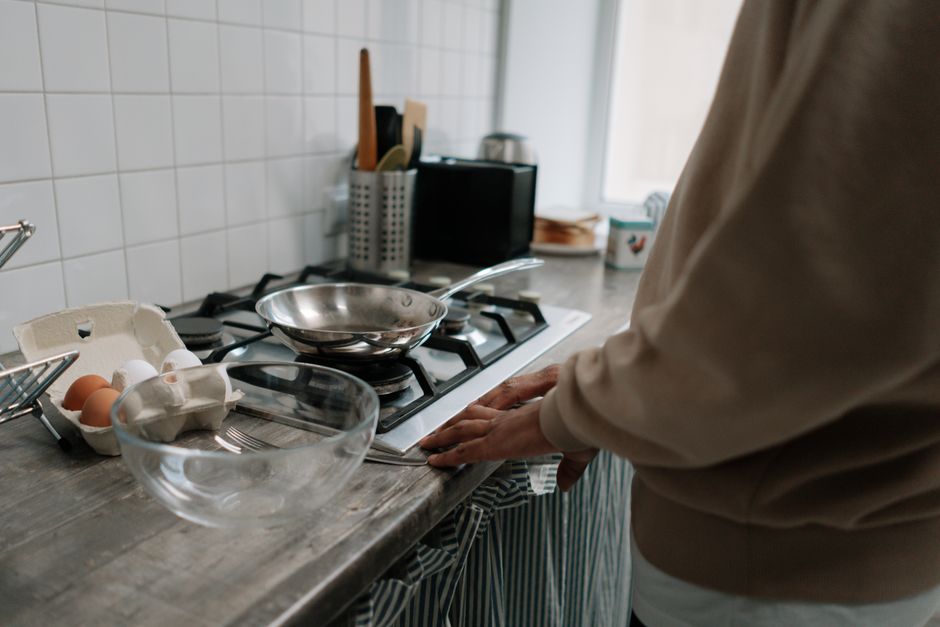
The kitchen counter is cluttered with dirty dishes, blocking access to the cutting board where I need to chop vegetables for my omelet. This friction point not only slows my meal prep but also creates a mental barrier. Without a clean workspace, I can’t focus on what’s next. I realize that if I had taken a moment last night to clear the counter and set my outfit in view, I might have avoided this scramble. Instead, I’m left with a sense of disarray, struggling to reset my mindset as I rush to get food on the table.
As I hastily grab a pan and begin cooking, I remind myself that I need to check the planner before diving into my tasks. However, it remains closed, a silent witness to my lack of preparation. The simple action of opening it and reviewing my day would have provided clarity, but now I’m left guessing what’s next, all because I skipped that first crucial step.
The Kitchen Counter Clutter
This same friction shows up again in Everyday Life In The, especially when the day tightens unexpectedly.
The kitchen counter is a chaotic mix of dirty dishes and leftover takeout containers, making it nearly impossible to find a clear space for breakfast prep. As I stand there, staring at the mess, the thought of chopping vegetables for my omelet feels overwhelming. I can’t help but feel that this clutter is more than just physical; it’s a mental barrier that weighs on my mind. The clutter keeps my focus scattered, and I know I need to reset my day, but the chaos around me makes it hard to envision a clean start.
With the clock ticking, I realize I haven’t laid out my clothes for the day, a small habit that usually sets a smoother tone for my morning routine. Instead of a quick grab-and-go, I find myself rummaging through the closet, trying to piece together an outfit in the midst of this disarray. The planner sits closed on the table, a missed check that could have guided my day, but the state of the kitchen distracts me from even thinking about it. Each moment spent in indecision adds to my frustration, delaying my progress and forcing me to scramble.
To regain some control, I need to make a decision. I take a deep breath and focus on one immediate action: I grab a dish towel and start clearing the counter, stacking the dirty dishes in the sink. As I do this, I notice a small window of clarity opening up. With each dish I move, I can feel the mental fog lifting slightly. Once the counter is clear, I can finally lay out my clothes where I can see them, a simple adjustment that will make all the difference when I’m ready to dress. But for now, the mess remains a reminder of how quickly a small oversight can spiral into a chaotic morning.
Why Timing Matters in Routine Execution
A slightly different version of this problem appears in Daily Routines Real Life, where the sequence changes but the hidden drag feels familiar.
The clock ticks closer to the start of my workday, yet the kitchen remains a battlefield of unwashed dishes and half-empty coffee mugs. I glance at the planner, still closed on the table, a silent witness to my good intentions. As I shuffle through the clutter, I realize that my preparation for breakfast is happening too late. This delay forces me to rush through my morning tasks, leading to a chaotic start that makes focusing on work feel like an uphill battle.
Each minute I waste in indecision compounds the mess around me. I grab a dish towel and begin clearing the counter, stacking the dirty dishes into the sink. This small act, while necessary, is a hidden step that disrupts my flow. I finally manage to lay out my clothes, but the disarray in the kitchen lingers in my mind, making it hard to shift gears into work mode. The tradeoff is clear: without timely preparation, my morning routine devolves into a scramble, leaving me unprepared and scattered as I sit down to tackle my first task.
A Better Order for the Same Five Minutes
On a typical weekday, my kitchen counter often resembles a battlefield of unwashed dishes and scattered breakfast remnants. This morning, I notice the dirty plates piled high, and I realize that my usual routine is setting me up for failure. Instead of diving straight into breakfast prep, a simple adjustment could make all the difference: starting with a quick clean-up of the counter. Taking just two minutes to clear the space not only creates a functional area for cooking but also gives me a sense of control as I prepare for the day ahead.
Once the counter is clear, I can finally focus on breakfast without the nagging distraction of the mess. I grab a dish towel and wipe down the surfaces, feeling the weight of the clutter lift. After that, I can reach for the ingredients I need without feeling cramped or chaotic. But the key change here is laying out my clothes the night before, which I often forget in the rush of the morning. By placing my outfit on the chair where I can see it, I eliminate the decision-making stress that usually eats into my time. This small sequence shift transforms my routine from a scramble into a more manageable flow.
As I sit down to enjoy my breakfast, the planner remains closed on the table, but the clean counter and laid-out clothes signal a fresh start. The tradeoff is clear: by prioritizing a clean space and preparing my outfit ahead of time, I can reclaim those precious first moments of the day. Instead of feeling scattered and overwhelmed, I’m ready to tackle my first task with a clearer mind.
What Happens Next After the Adjustment?
The kitchen counter, now clear of dirty dishes, feels like a small victory. With that clutter gone, I can focus on the simple act of making breakfast without the nagging distraction of mess. The laid-out clothes on the chair catch my eye, reminding me that I’ve already made one important decision today. This small adjustment creates a ripple effect, allowing me to approach the rest of my morning with a sense of control.
As I pour my coffee, I glance at my planner, which has been sitting closed on the table. Instead of skipping over it in a rush, I open it first thing. The pages reveal a manageable list of tasks for the day, prioritized and ready for action. This is a stark contrast to the mornings when I would forget to check my planner, leading to a chaotic scramble to remember what I needed to tackle. The act of opening the planner feels like a reset, a commitment to the day ahead.
With breakfast finished and the planner reviewed, I feel prepared to dive into my first work block. The clean counter and prepped clothes have set a productive tone, allowing me to transition smoothly into the tasks at hand. The tradeoff is clear: by taking a few extra minutes the night before to lay out my clothes and clear the counter, I’ve transformed my morning routine from a rushed series of decisions into a focused start. The simple act of preparation has made a noticeable difference in how I approach my work, making it easier to maintain that momentum throughout the day.
Returning to the kitchen after a late finish can feel daunting, especially when dirty dishes clutter the counter, blocking access to a clean workspace. This visible friction can derail even the simplest morning routines. By taking a moment the night before to ensure the counter is clear and the planner is open, I set myself up for a smoother start. The act of laying out my clothes and checking my planner becomes a tangible cue, guiding me into the day with intention.
As I prepare breakfast, I can see my laid-out clothes ready for the day, which reminds me of my goals. This small adjustment—clearing the counter and prepping the night before—serves as a reset, allowing me to dive into my first work block without the chaos of forgotten tasks. Next time, I’ll make it a point to place my planner in a more visible spot, ensuring I don’t overlook it in the morning rush.